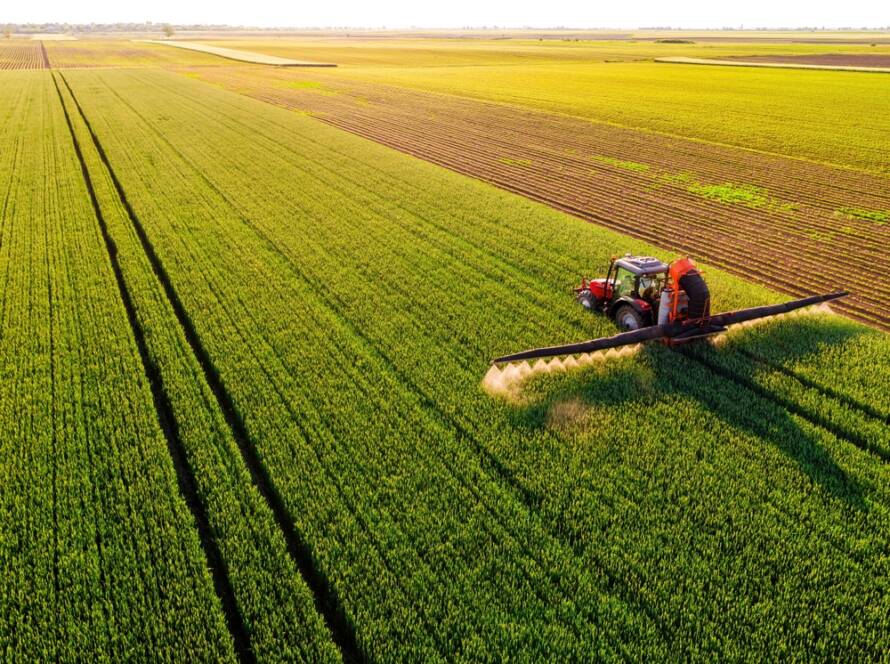
Sustainability is becoming a defining principle in modern agriculture. To build resilient and productive farming systems, three elements stand out as essential and deeply interconnected: water, soil, and carbon. Together they shape a framework that helps farmers adapt to climate change, protect natural resources, and improve long-term yields.
- Water: Smarter Use of a Vital Resource
Water is at the heart of agricultural productivity. Sustainable farming focuses on using it efficiently and protecting it from depletion.
Precision irrigation systems—such as drip irrigation—allow farmers to deliver water exactly where the plant needs it, reducing evaporation and runoff. Collecting and storing rainwater increases water security during dry periods, while planning crop rotations based on local water availability helps avoid unnecessary pressure on water resources.
By managing water wisely, farms become more resilient, autonomous, and better prepared for increasingly unpredictable climate conditions.
- Soil: Regeneration and Biodiversity
Healthy soil is much more than a growing medium—it is a living ecosystem. Regenerative practices restore its structure, fertility, and biological activity.
Mulching protects the soil surface from erosion and improves water retention. Crop rotation and the introduction of organic matters such as compost or manure—support soil microbes and build long-term fertility. At the same time, enhancing biodiversity through hedgerows, grass strips, and wetlands creates habitats for pollinators and natural pest controllers, strengthening the whole agricultural ecosystem.
Regenerating soil not only boosts yield but also increases resilience to drought, pests, and extreme weather.
- Carbon: Turning Agriculture into a Climate Solution
Agriculture is often seen as a source of emissions, yet it has the potential to become a powerful carbon sink.
Practices like reduced tillage, cover cropping, agroforestry, and the use of organic amendments help store carbon in the soil and vegetation. Modern technologies—such as biochar or enhanced mineral weathering—offer additional ways to lock carbon away for longer periods.
Soils rich in organic carbon are more stable, hold more water, and support healthier crops. Carbon-smart farming is therefore beneficial both for the climate and for farm productivity.
The Power of the Triple Nexus
Water, soil, and carbon do not operate independently. When managed together, they create a powerful synergy.
Water-efficient systems reduce stress on soils and help maintain moisture levels needed for carbon sequestration. Regenerated soils with higher organic matter store more water and carbon, improving overall farm resilience. Biodiversity elements—like hedges and deep-rooted plants—enhance soil structure, stabilize moisture, and contribute to long-term carbon storage.
This integrated approach leads to healthier fields, higher productivity, and better adaptation to climate challenges.
The triple nexus of water, soil, and carbon offers a clear roadmap for the future of sustainable farming. By combining efficient water use, regenerative soil practices, and carbon-focused management, farmers can build productive, climate-resilient systems that protect natural resources.