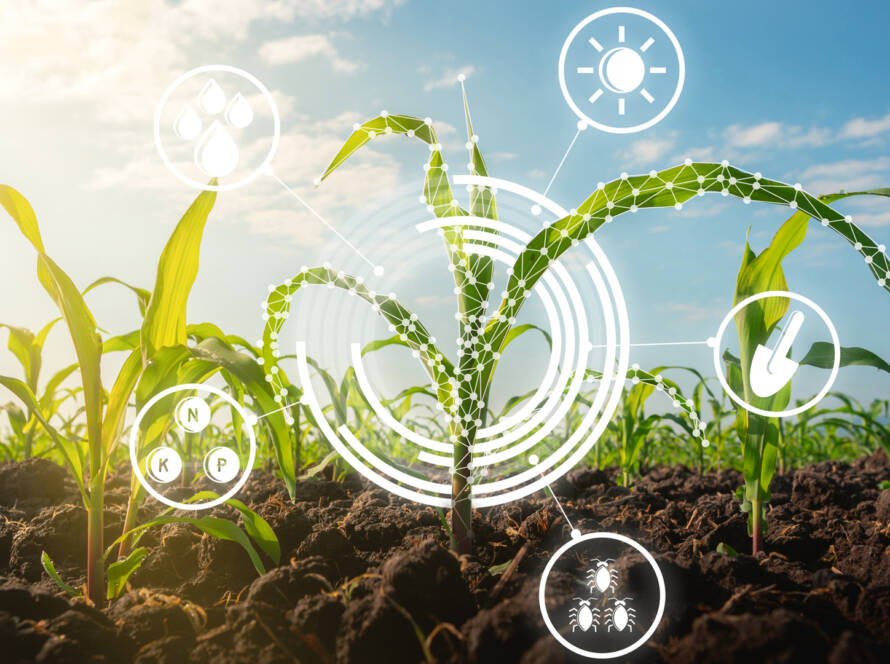
In modern agriculture, soil is no longer just a resource-it is a strategic asset with a key role in tackling climate change. As one of the largest natural carbon reservoirs, it has the potential to both improve farm productivity and reduce the carbon footprint of agricultural operations.
Soil organic carbon (SOC) is a fundamental indicator of soil health. Through the process of carbon sequestration, plants absorb CO₂ from the atmosphere and store it in the soil, enhancing its structure, fertility, and water retention capacity. This leads to more stable yields and more resilient farming systems.
The benefits for farmers are both environmental and economic. Carbon-rich soils retain more moisture, reduce erosion, and improve nutrient availability. In addition, emerging carbon markets are creating new income opportunities through carbon credits.
In practice, increasing soil carbon requires the adoption of proven methods such as reduced or no-till farming, the use of cover crops, diversified crop rotations, and the application of organic matter. Practices like agroforestry and sustainable grazing management also support long-term carbon storage.
Despite challenges such as measuring results and the need for long-term commitment, effective soil management is becoming an increasingly important business decision. With the support of technology and expert guidance, farmers can unlock the full potential of their soils.
Soil is more than a foundation for production-it is an asset for the future. When managed properly, it delivers sustainability, productivity, and new economic opportunities.