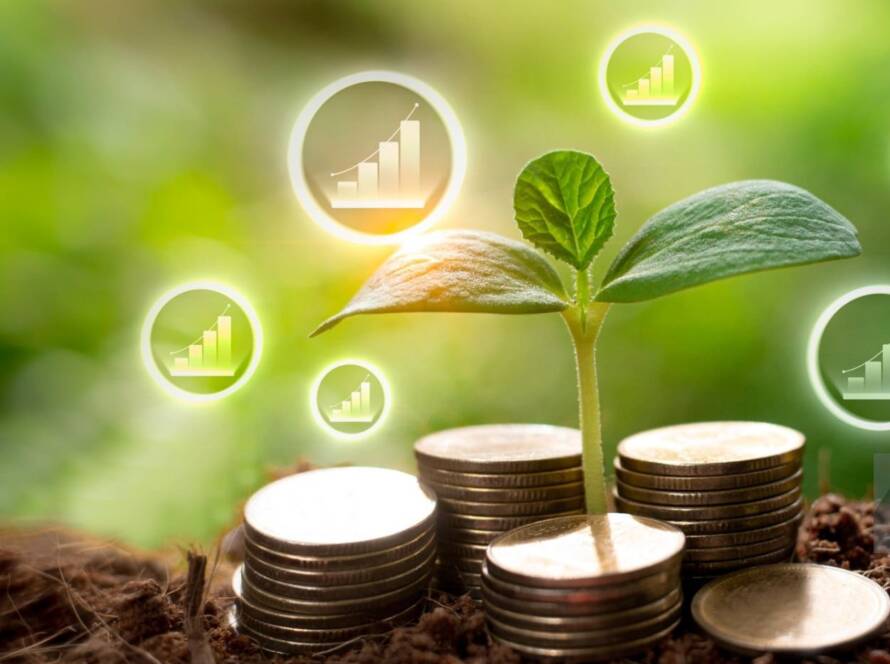
In the context of climate change, a growing global population, and limited natural resources, agriculture must undergo a significant transformation. Today, it is no longer enough to simply produce more food-production must become more sustainable and efficient. Smart agriculture offers exactly this approach by combining advanced technologies with natural processes in a more balanced and sustainable system.
At the core of this concept are innovations such as the Internet, artificial intelligence, sensors, and data analytics. These technologies allow farmers to monitor soil conditions, climate factors, and crop development in real time, enabling more precise and timely decision-making. As a result, agriculture is evolving into a data-driven sector where actions are guided by accurate and actionable insights.
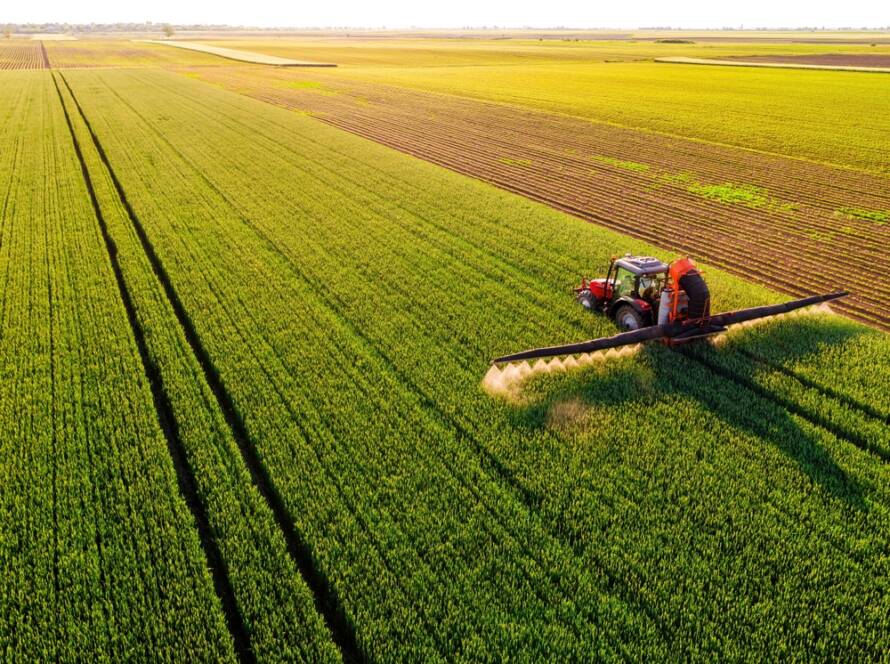
A key element of smart agriculture is precision farming-the practice of applying resources such as water, fertilizers, and crop protection products exactly where and when they are needed. This not only reduces costs but also minimizes environmental impact while improving yields and crop quality.
Technology plays a leading role in this transformation. Sensors and drones provide continuous monitoring, artificial intelligence supports forecasting and risk management, and automation reduces the need for manual labor. As a result, farmers can operate more efficiently and sustainably, even in increasingly unpredictable climate conditions.
Of course, the adoption of smart agriculture comes with challenges. It requires investment, new digital skills, and clear frameworks for data management. Nevertheless, the economic and environmental benefits make this transition both necessary and inevitable.
Smart agriculture does not replace nature-it works in harmony with it. This balance between technology and natural processes is the key to a more sustainable future. For companies like AGviser, this represents an opportunity to drive innovation in the sector and contribute to more efficient and responsible farming.