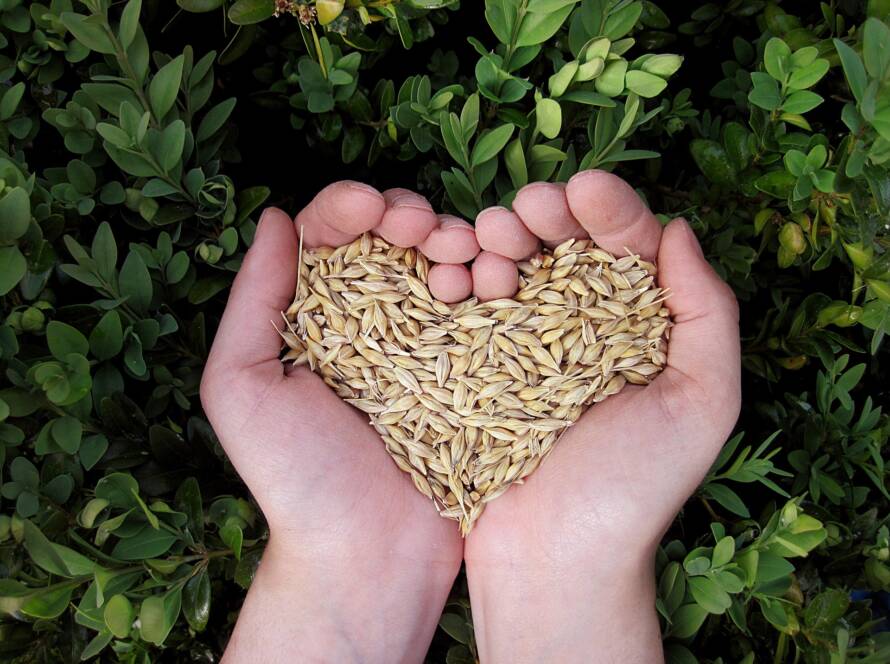
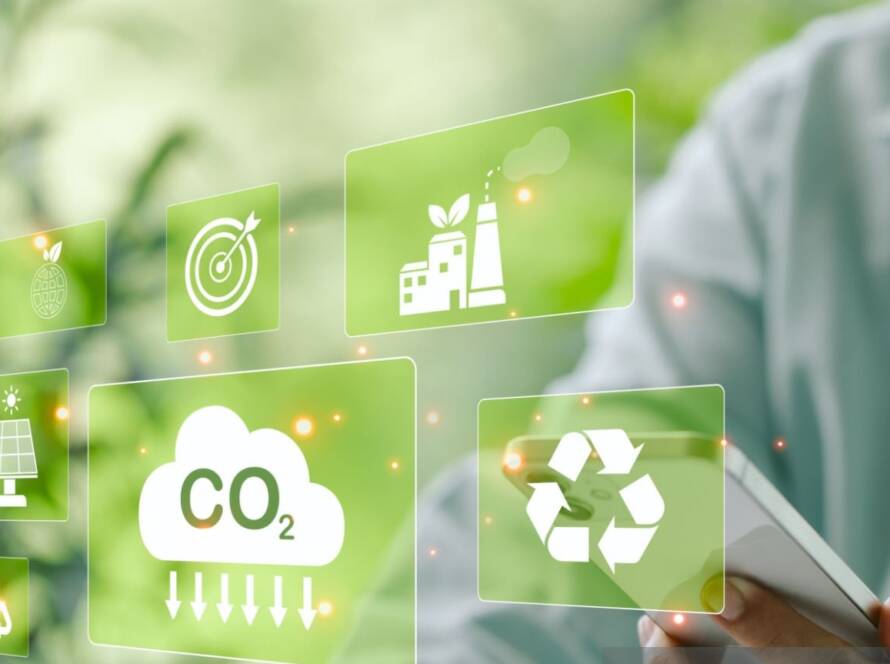
Modern agriculture stands at a crossroads — we must produce more food while safeguarding the environment. Responsible farming offers solutions that combine high productivity with long-term protection of natural resources and the stability of planetary systems.
Pest Control: Protecting Yields and the Environment
Pests, diseases, and weeds can cause severe crop losses and threaten food security. When used correctly, crop protection tools help preserve yields, reduce food waste, and prevent the need to convert new land for agriculture. This protects natural habitats and reduces pressure on ecosystems, supporting more sustainable land use.
Fertilization: Feeding Plants and Strengthening Soil
Fertilizers provide essential nutrients that support plant growth and resilience. When applied precisely, they do not harm the soil — they enhance its fertility and biological activity. Modern precision technologies allow farmers to apply nutrients accurately, reducing waste, preventing contamination, and improving production efficiency.
Science as the Foundation of Sustainability
Integrated Pest Management (IPM) is a clear example of how science guides agriculture toward more sustainable solutions. By combining multiple pest-control methods, IPM helps protect beneficial species while minimizing environmental impact. When paired with proper fertilization and soil health practices, IPM keeps farms productive and resilient over time.
Planetary Health: Agriculture in Service of the Planet
The concept of planetary health highlights the deep connection between ecosystems, climate, water resources, and human well-being. Responsible farming is key to maintaining this balance. Through regenerative practices, reduced carbon footprints, and precise resource management, farmers can contribute to a healthier planet while continuing to produce quality food.
Responsible farming is not a compromise between yields and ecological care — it is a pathway to agricultural systems that work in harmony with nature. By adopting science-based practices, farmers can increase productivity and protect natural resources at the same time. This is the foundation of a sustainable future where both agriculture and the planet thrive together.