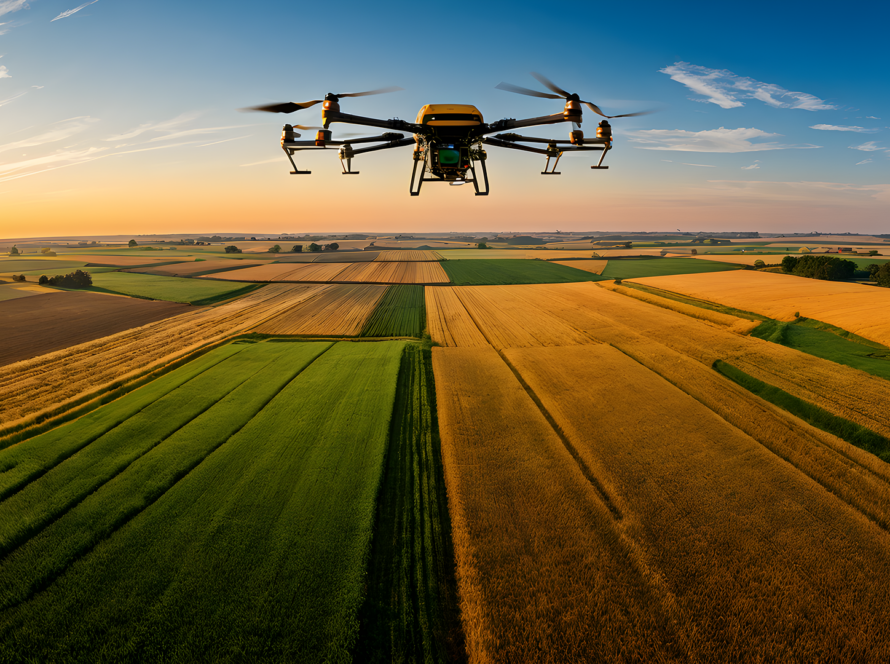
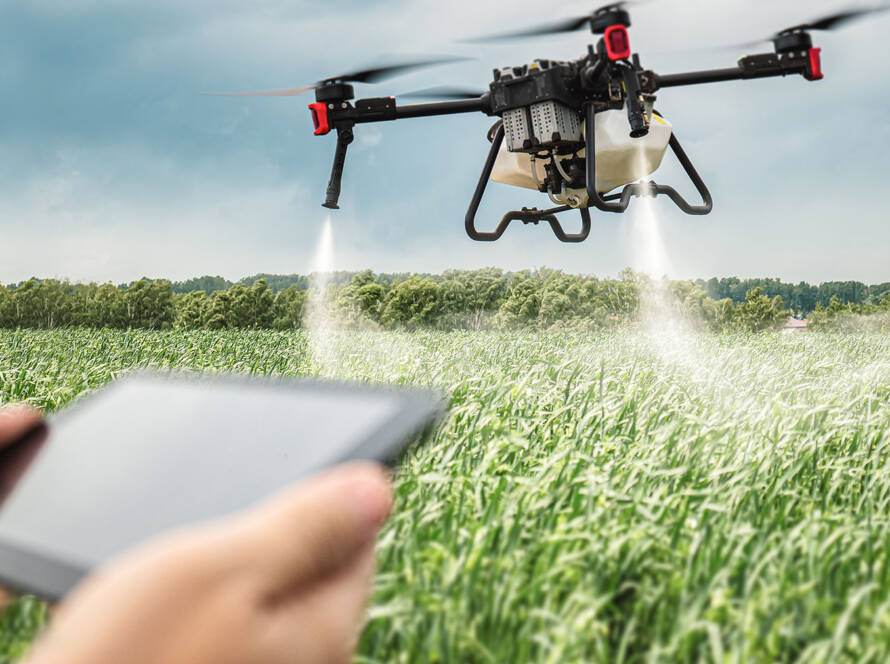
Across Europe and around the world, farmers are becoming key drivers of the green transition. Climate change, rising energy costs, and pressure on natural resources are reshaping rural economies and the way agriculture operates. Today, farmers are no longer seen only as food producers – they are becoming innovators, energy producers, and active contributors to a more sustainable future.
Agriculture has always depended heavily on energy, from irrigation systems and machinery to storage and transportation. Renewable energy solutions such as solar panels, biogas installations, and biomass systems are giving farms the opportunity to reduce costs, achieve greater energy independence, and lower carbon emissions. At the same time, sustainable farming practices such as regenerative agriculture, precision resource management, and soil conservation are helping farms become more resilient to climate risks and extreme weather conditions.
The green transition brings benefits not only for the environment but also for local communities. When farms adopt green technologies, they create new jobs, stimulate local economies, and improve energy security in rural areas. Younger generations are also more likely to stay and build businesses in modernized and sustainable agricultural regions.
Of course, challenges remain. High upfront investments, limited access to financing, and the need for technical knowledge often slow down progress. This is why digital solutions and advisory platforms are becoming increasingly important. They help farmers optimize resources, make data-driven decisions, and implement sustainable practices more efficiently.
At AGviser, we believe farmers should not simply adapt to the green transition – they should lead it. By combining agricultural expertise, renewable energy, and digital technologies, rural economies can become a model for sustainable growth, innovation, and long-term resilience.