Climate change is already a reality that is increasingly affecting agriculture – more frequent and prolonged droughts, sudden heavy rainfall, extreme temperatures, and higher pressure from diseases and pests are making farming riskier and much harder to plan. In this context, building climate-resilient farms through environmental stewardship is becoming a key approach for long-term stability and sustainable growth. Climate-resilient agriculture brings together practices and strategies that help farms adapt to changing conditions, reduce losses, and maintain yields without depleting natural resources.
One of the most important elements is soil health, because well-managed soil retains more moisture during droughts, reduces erosion during heavy rains, and provides a better environment for crop development. At the same time, diversification and crop rotation reduce dependence on a single harvest and offer greater security under an unstable climate. Efficient water management is also essential – through better planning, suitable irrigation solutions, and practices that improve soil moisture retention, farmers can reduce risks during critical periods.
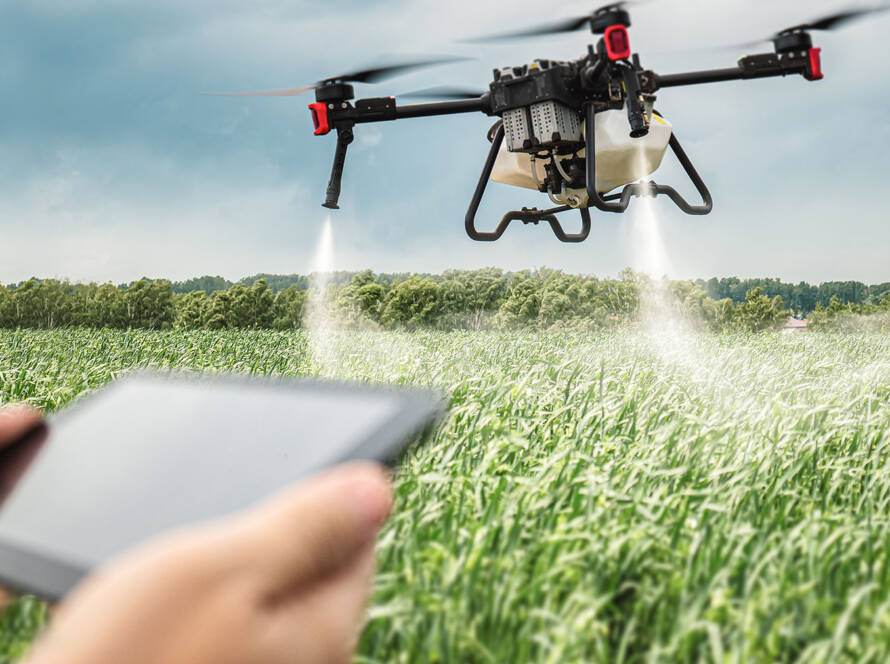
Technology is also playing an increasingly important role in supporting accurate decision-making. Precision agriculture, soil moisture monitoring, crop health tracking, and the use of data and forecasts enable more efficient use of resources such as water, fertilizers, and crop protection products, which reduces costs while also protecting the environment. When sustainable practices are combined with innovation, knowledge, and strong support, farmers can not only face climate challenges more successfully, but also build more competitive farms that protect nature and ensure more secure production for the future.