Climate change places agriculture in a unique position-both as a source of emissions and as a key part of the solution. The agriculture and land-use sector accounts for a significant share of global greenhouse gas emissions, yet unlike most industries, it also has the capacity not only to reduce emissions but to actively capture carbon through soils, plants, and ecosystems.
The concept of Net Zero refers to achieving a balance between emitted and absorbed greenhouse gases. In agriculture, this is particularly complex, as the sector produces not only carbon dioxide, but also methane and nitrous oxide-gases with a much higher warming potential. Due to the biological nature of agricultural production, completely eliminating emissions is not feasible. Instead, the focus is on significantly reducing emissions, improving efficiency, and enhancing the ability of agricultural systems to store carbon.
Agriculture plays a dual role in this transition. On one hand, it must optimize processes such as fertilizer use, livestock management, and energy consumption to reduce emissions. On the other hand, through practices like regenerative agriculture, agroforestry, and improved soil health, it can become a powerful carbon sink. This makes the sector indispensable in global efforts to tackle climate change.
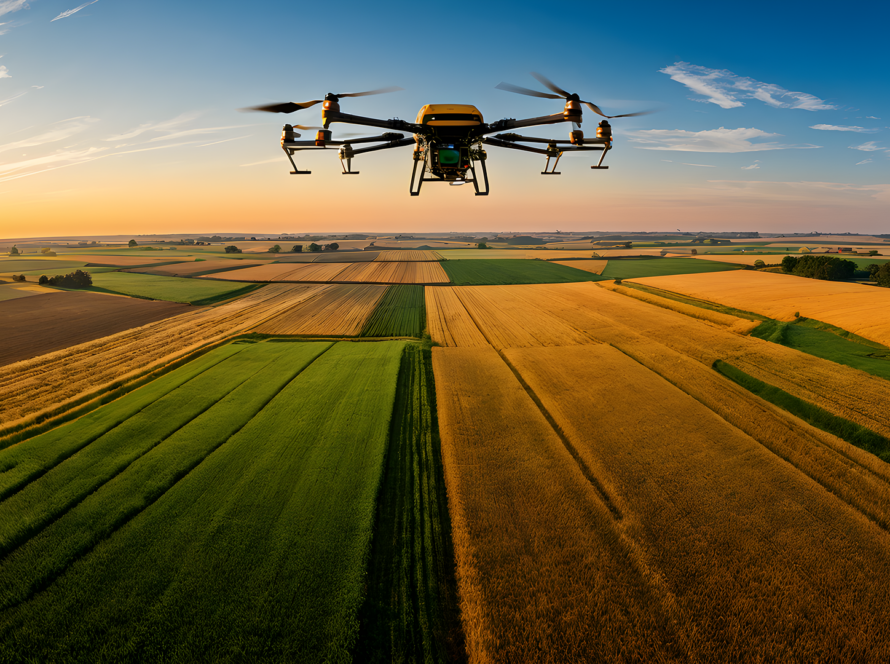
The path to Net Zero in agriculture requires a systemic transformation. At its core are sustainable practices such as reduced or no-till farming, the use of cover crops, and diversified crop rotations, all of which improve soil structure and fertility. At the same time, technology is playing an increasingly important role. Precision agriculture, sensors, data analytics, and artificial intelligence enable more efficient use of resources such as water, fertilizers, and energy, leading to lower emissions and higher productivity.
Another key element is the transition to a circular economy. Effective waste management-through solutions like biogas installations and the reuse of organic materials-not only reduces losses but also creates new sources of energy and revenue. At the same time, transformation must extend across the entire food value chain-from production to consumption-including logistics, trade, and dietary habits.
Despite its strong potential, the transition to Net Zero is not without challenges. It requires substantial investment, access to innovation, supportive policies, and capacity building for farmers. The sector must also balance sustainability goals with the need to feed a growing global population, expected to reach nearly 10 billion by 2050.
At the same time, this transition opens up new opportunities. Beyond improved efficiency and greater resilience to climate risks, farmers can benefit from new business models, including carbon markets and value-added sustainable products. Agriculture is gradually shifting from being part of the problem to becoming a central part of the solution.
Ultimately, achieving Net Zero will not be possible without transforming agriculture. With the right combination of innovation, sustainable practices, and policy support, the sector can become a driving force toward a climate-neutral future. Farming for the future is not just a vision-it is a necessity that is already becoming a reality.